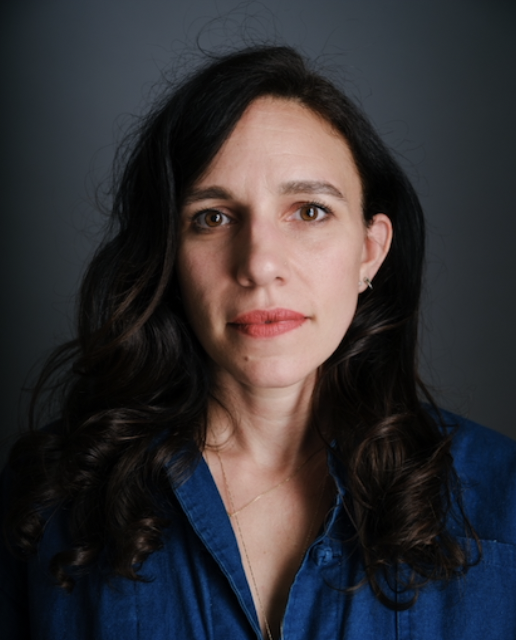
How do you do?
Some of society's most important stories begin where institutions lose sight of people.
I am interested in how people navigate moments of crisis, loss, uncertainty, and change. Whether in healthcare, housing, human rights, the criminal legal system, public policy, or death care, I am drawn to the places where bureaucracy and everyday life intersect — and to the relationships that emerge there.
Working alongside individuals, families, researchers, artists, healthcare providers, legal advocates, and community organizations has taught me that understanding a problem requires more than solving it. It requires observation, careful listening, collaboration, and the willingness to ask better questions.
Anthropology has given me a framework. But the questions that interest me rarely belong to a single discipline. Bringing together different ways of seeing has become central to my practice, allowing me to better understand both the systems we build and the people who move through them.
The question that continues to guide my work is this:
How do people fall through institutional systems — and how can we build systems that reconnect them to care, dignity, family, and one another?
I don't believe there is a single answer. I believe it begins with paying attention — because the systems we create do more than shape individual lives; they shape families, communities, and the generations that follow.